
As global awareness of environmental conservation and sustainable development grows, the tourism industry is undergoing a transformative shift. One of the most exciting and innovative developments in this sector is REX-Tourism, a concept that integrates Research, Education, and Exploration into the travel experience. By blending these three pillars, REX-Tourism offers a unique and enriching way to explore the world while contributing to its preservation and understanding. In this blog post, we delve into the essence of REX-Tourism and its potential to revolutionise the way we travel.
What is REX-Tourism?
REX-Tourism stands for Research, Education, and Exploration Tourism. It is a multidisciplinary approach to travel that combines the thrill of exploration with the pursuit of knowledge and the commitment to sustainability. This form of tourism is designed to provide travellers with opportunities to engage in meaningful research, educational activities, and immersive experiences that promote a deeper understanding of the destinations they visit.
Research
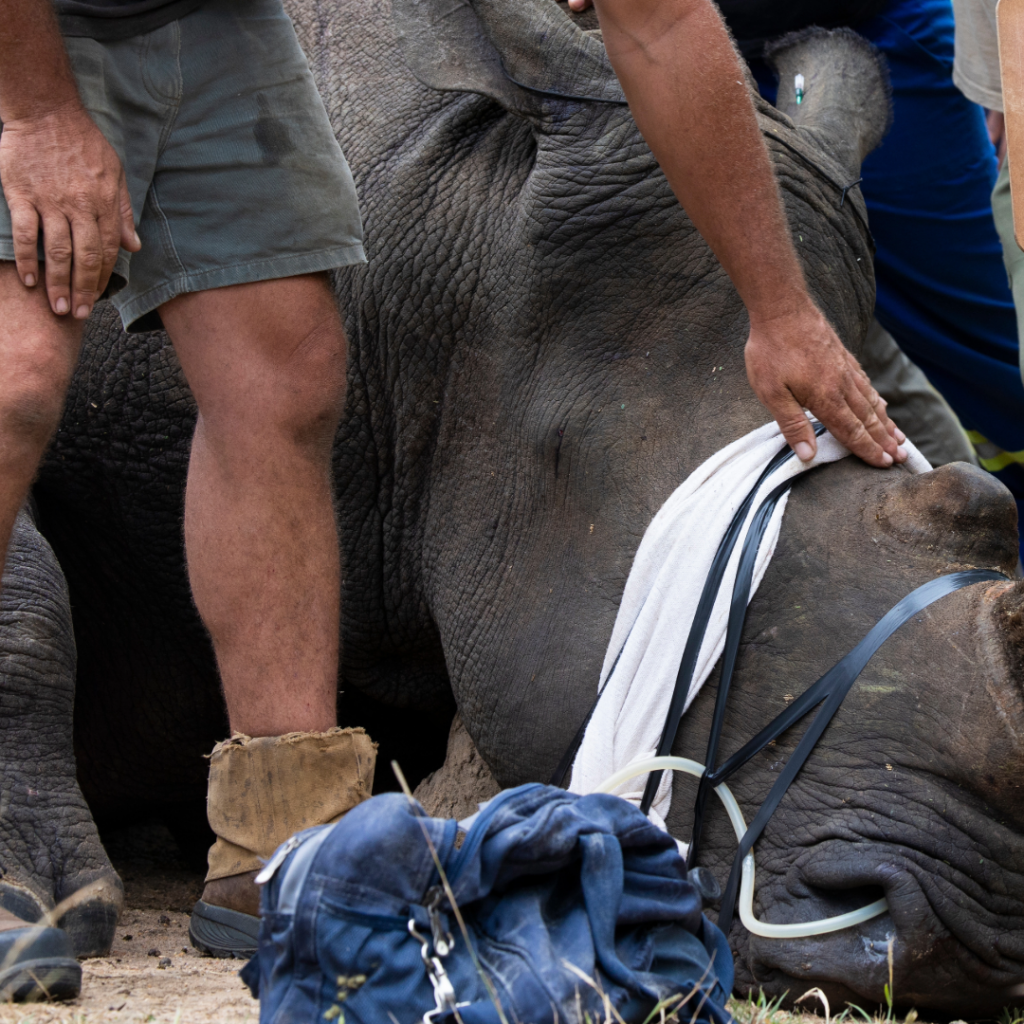
At the heart of REX-Tourism is research. Travellers have the chance to participate in scientific studies and conservation projects, often in collaboration with local universities and research institutions. This hands-on involvement not only enhances the travel experience but also contributes valuable data and insights to ongoing research efforts. Whether it’s tracking wildlife, studying ecosystems, or investigating cultural heritage sites, REX-Tourism allows participants to make a tangible impact on the destinations they explore.
Education
Education is another cornerstone of REX-Tourism. It goes beyond traditional sightseeing by offering educational programmes and workshops that delve into the natural, cultural, and historical aspects of the destination. These educational activities are often led by experts in various fields, providing travellers with a rich and informed perspective. Through guided tours, lectures, and interactive sessions, participants gain a deeper appreciation and understanding of the places they visit, fostering a sense of responsibility towards their preservation.
Exploration
Of course, the spirit of exploration is a fundamental element of REX-Tourism. It encourages travellers to venture off the beaten path and discover lesser-known destinations, promoting sustainable tourism practices that benefit local communities. This form of exploration emphasises respectful and mindful travel, where the focus is on experiencing the destination authentically and leaving a positive impact. From remote wilderness areas to culturally significant sites, REX-Tourism offers a diverse range of experiences that cater to the adventurous and curious traveller.
Benefits of REX-Tourism
REX-Tourism presents numerous benefits for travellers, local communities, and the environment. Here are some of the key advantages:
1. Enhanced Learning Experiences
Travellers gain in-depth knowledge and skills through hands-on research and educational activities, making their travel experience more meaningful and rewarding.
2. Positive Impact on Conservation
By participating in research and conservation projects, travellers contribute to the protection and preservation of natural and cultural resources.
3. Support for Local Communities
REX-Tourism promotes community engagement and economic development by encouraging sustainable tourism practices that benefit local residents.
4. Sustainable Travel Practices
This approach emphasises responsible travel, reducing the environmental footprint and promoting the long-term sustainability of tourist destinations.
5. Unique and Authentic Experiences
Travellers enjoy unique and off-the-beaten-path experiences that offer a deeper connection with the destination and its people.
How to Get Involved in REX-Tourism
If you’re interested in experiencing REX-Tourism, there are several ways to get involved:
1. Choose REX-Tourism Providers
Look for tour operators and travel organisations that specialise in REX-Tourism and offer programmes aligned with its principles.
2. Participate in Research Projects
Join research initiatives or volunteer programmes that allow you to contribute to scientific studies and conservation efforts.
3. Engage in Educational Activities
Seek out travel experiences that include educational components, such as guided tours, lectures, and workshops led by experts.
4. Travel Responsibly
Adopt sustainable travel practices, such as minimizing waste, respecting local cultures, and supporting eco-friendly accommodations and services.
REX-Tourism represents a forward-thinking and impactful approach to travel, merging the excitement of exploration with the noble goals of research and education. By participating in REX-Tourism, travellers can enjoy enriching experiences while making a positive difference in the world. As the tourism industry develops, REX-Tourism stands out as a beacon of sustainability and responsible travel, paving the way for a more conscientious and enlightened way to explore our planet.
Embark on your REX-Tourism adventure today and be part of a movement that celebrates discovery, learning, and the preservation of our world’s most precious treasures.
Leave a Reply